
Himalayan Sheep Wool
High in the rugged terrains of the Himalayas, where the air is thin and winters are unforgiving, a unique kind of wool is shaped by nature itself. Himalayan sheep wool is not just a textile—it’s a reflection of survival, resilience, and centuries-old craftsmanship.
Born in Extreme Conditions
Himalayan sheep are raised in some of the harshest climates on Earth—cold, dry, and exposed to intense UV radiation. These environmental pressures directly influence the wool they produce. Unlike commercially farmed wool, this fiber is:- Naturally adapted for insulation
- Produced through low-intervention, traditional grazing systems
- Shaped by altitude, not industrial optimization This is what gives Himalayan wool its raw, untamed character.
A Fiber That Prioritizes Strength Over Softness
One of the first things you’ll notice about Himalayan wool is its texture. It typically falls in the medium to coarse range, meaning:- It’s more rugged than ultra-soft wools like Merino
- It has a slightly rough, earthy hand feel
- It’s not ideal for direct skin contact unless processed or blended
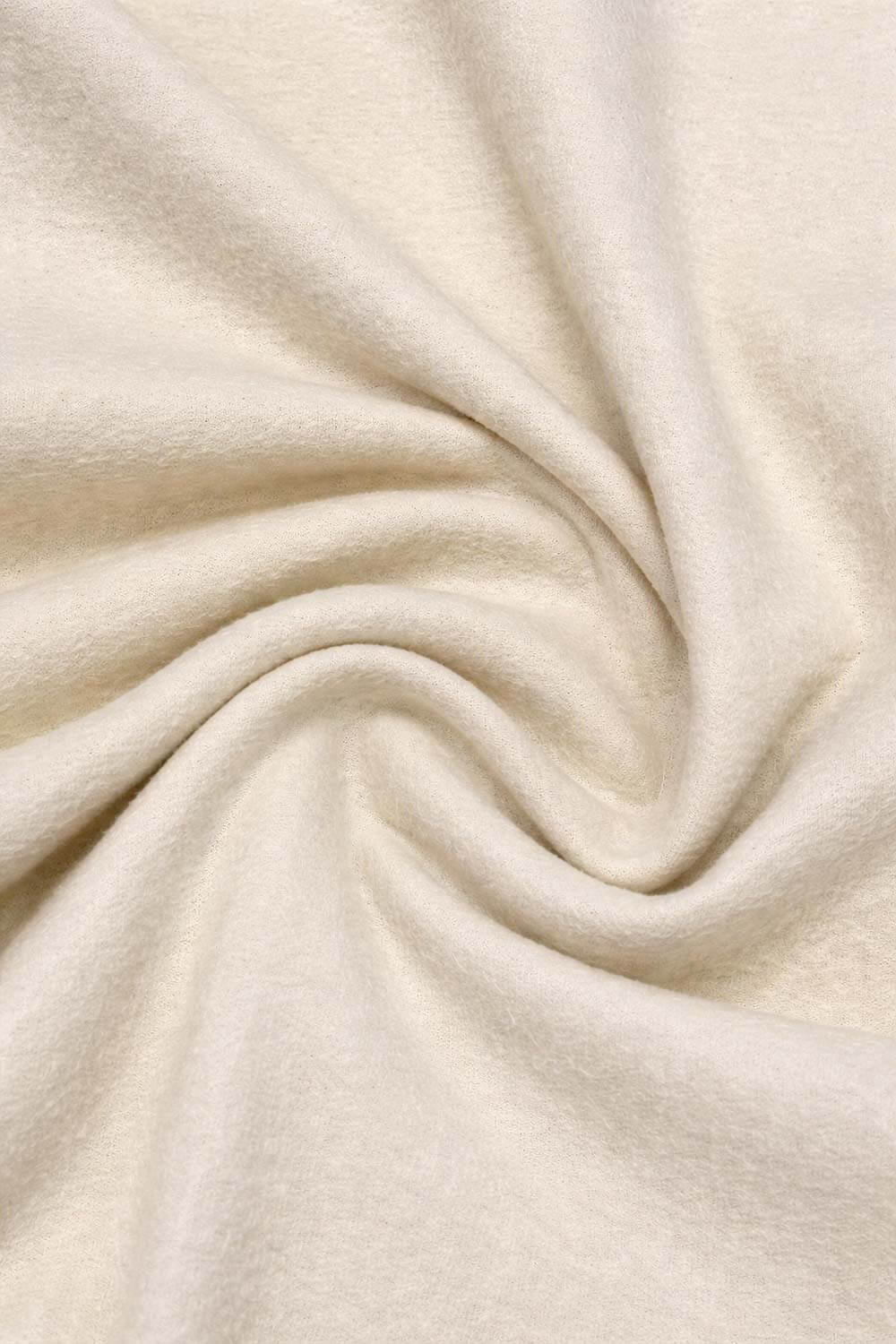
This structure gives the fiber:
Greater durability
Less pilling over time
A more substantial, weighty drape
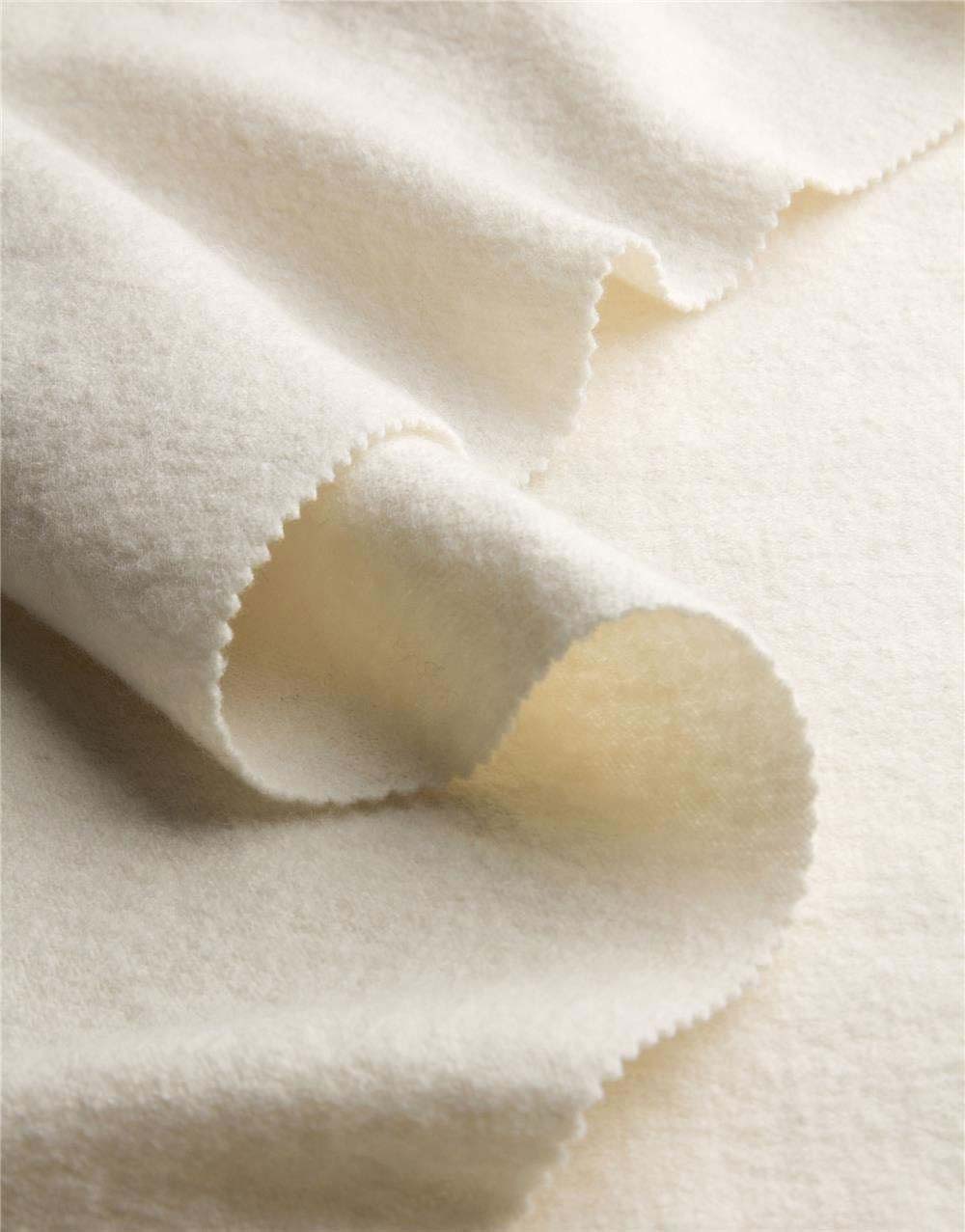
Fiber Diameter (Micron Count)
- Typically coarse to medium-coarse: ~25–45 microns
- Compared to finer wool (like Merino at ~17–24 microns), Himalayan wool is:
- Less soft against skin
Exceptional Warmth and Insulation
Where Himalayan wool truly excels is in its thermal performance.
The coarser fibers create larger air pockets, which trap heat efficiently. This makes it:
- Exceptionally warm
- Naturally insulating without feeling suffocating
- Ideal for cold-weather layering
At the same time, it retains wool’s natural ability to breathe, allowing it to regulate temperature rather than simply trap heat.
Moisture-Wicking and Climate Adaptive
Another underrated quality is its ability to handle moisture.
Himalayan wool can absorb a significant amount of moisture without feeling damp. This means:
- It keeps the body dry in fluctuating climates
- It performs well in both cold and slightly humid conditions
- It adapts to the wearer rather than working against them
This is one of the reasons wool has remained relevant for centuries—it responds to nature because it comes from it.
Naturally Durable and Long-Lasting
This is not a delicate fiber.
Himalayan wool is known for:
- High tensile strength
- Resistance to wear and tear
- Longevity in heavy-use products
this durability translates into slow fashion value—pieces that are meant to last, not be replaced.
Rooted in Sustainability and Tradition
Himalayan wool stands apart in a world of mass production.It is:
- Biodegradable and renewable
- Produced with minimal chemical input
- Often hand-spun and handwoven
Low-Input Farming
- Sheep are:
- Free-grazing
- Raised without intensive industrial systems
- Minimal chemical use
Carbon Profile
- Lower industrial footprint compared to mass-produced wool
More importantly, it supports local communities and preserves traditional textile knowledge that has been passed down for generations.
This isn’t just sustainable—it’s culturally significant.