
Hemp
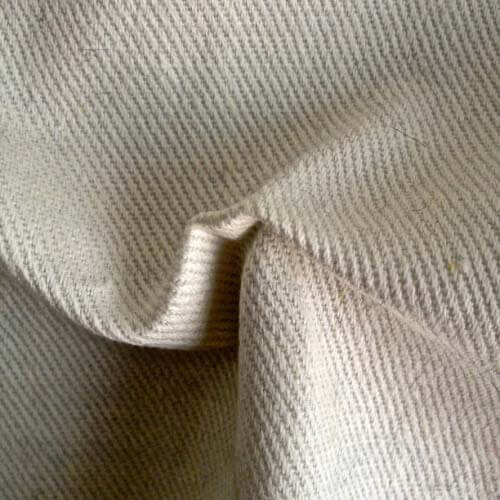
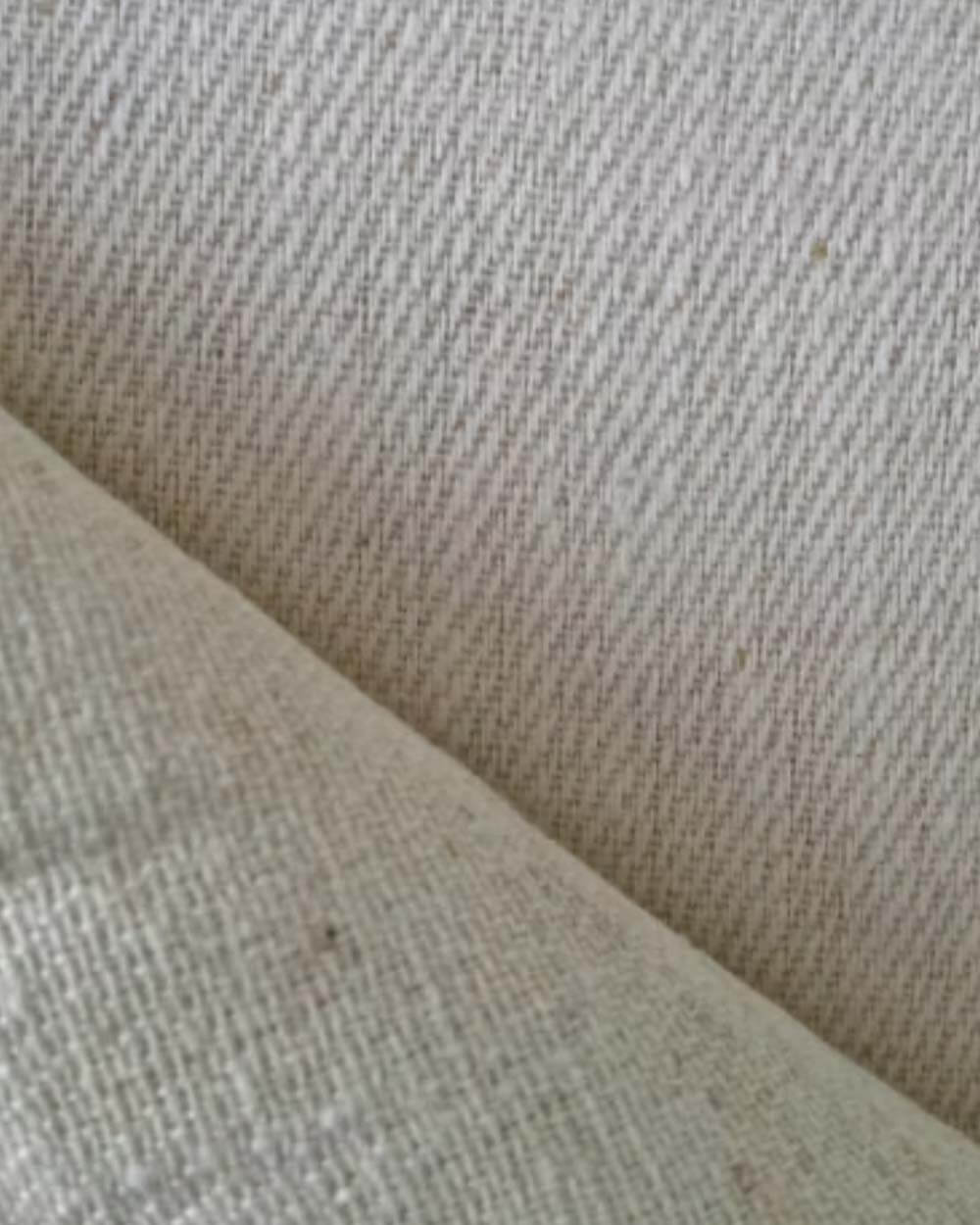
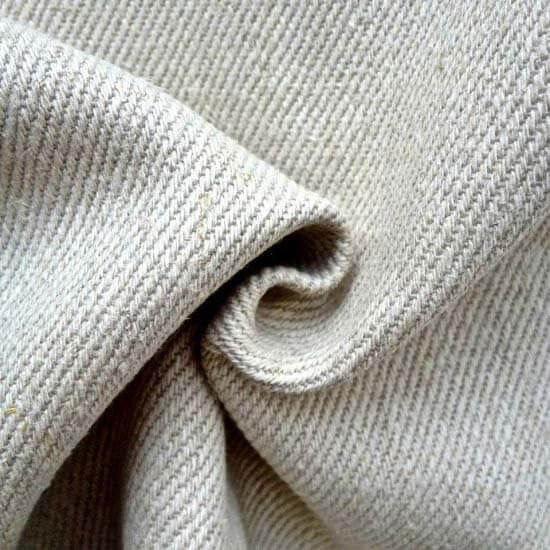
Hemp is a natural bast fibre extracted from the Cannabis sativa plant.
It is one of the strongest, most durable, and most sustainable plant fibres, historically used for sails, ropes, and workwear — now adapted into soft, comfortable apparel textiles.
Key Fibre Properties
1. Fibre Structure
- Long, hollow, multi-layered cellulose structure
- Naturally porous
- High tensile strength
- Strong wet strength (stronger when wet than dry)
2. Fiber Length
- 40–80 mm (long staple fibre) → contributes to strength and durability
3. Strength
- 3–4x stronger than cotton
- Excellent abrasion resistance
- Long-lasting fabric life cycle
Performance Features
Thermoregulation
- Insulates in winter
- Breathes and cools in summer
- Ideal for European SS seasons
Moisture Management
- Absorbs moisture quickly
- Releases it faster than cotton
- Naturally sweat-wicking
Antimicrobial & Hypoallergenic
- Natural resistance to:
- Bacteria
- Mold
- Mildew
- UV radiation
- Suitable for sensitive skin and humid climates
Breathability
- Open porous fibre structure
- High air permeability
- Comfort in warm weather and activewear
Odor Resistance
- Limits bacterial growth → reduced odor retention (superior to cotton)
Durability
- Does not weaken with repeated washing
- Maintains shape longer
- Higher tensile strength when wet
Environmental & Sustainability Attributes
Low Water Usage
- Requires 40–60% less water vs. cotton
- Often rain-fed — minimal irrigation
Zero Pesticides Required
- Naturally pest-resistant
- Grows without synthetic fertilizers
- Does not need herbicides
Soil Regeneration
- Hemp roots aerate and enrich soil
- Improves soil structure
- Prevents erosion
- Adds nitrogen back into the soil
- Suitable for regenerative agriculture
Fast Growth Cycle
- Ready to harvest in 90–120 days
- Allows multiple crop cycles per year
Carbon Sequestration
- Absorbs 2x more CO₂ than trees
- Each ton of hemp sequesters ~1.6 tons of CO₂
Circularity
- 100% biodegradable
- 100% compostable
- Zero microplastic release
Dyeing
Dyeability
- High affinity for natural, reactive, and vat dyes
- Absorbs dye evenly
- Produces earthy, muted tones naturally
Compostability & End-of-Life
- Home compostable: 6–12 months
- Industrial compost: 4–6 weeks
- Breaks down into natural cellulose
- No toxic residue
- No microplastics