
Recycled Cotton Fabric
Recycled Cotton (RC) is cotton fibre that has been recovered from:
- Pre-consumer waste – cutting scraps, yarn waste, spinning waste
- Post-consumer waste – used clothing, discarded textiles
These waste fibres are mechanically or chemically recycled to create new yarns and fabrics, reducing landfill and resource consumption.
It is a cornerstone of circular fashion and widely adopted across Europe.
Types of Recycled Cotton
1. Pre-Consumer Recycled Cotton- Comes from manufacturing waste
- High purity
- More consistent quality
- Better fibre length
- Comes from worn/discarded garments
- Requires sorting + decoloring
- Slightly shorter fibres
- Most environmentally impactful
- Strong sustainability narrative
- Virgin cotton
- Recycled polyester
- Organic cotton
- Hemp
- Lyocell to maintain strength and improve yarn quality.
Key Fibre Properties
Fibre Structure
- Shorter fibres due to mechanical shredding
- Slightly lower tensile strength versus virgin cotton
- Often blended for enhanced durability
Texture
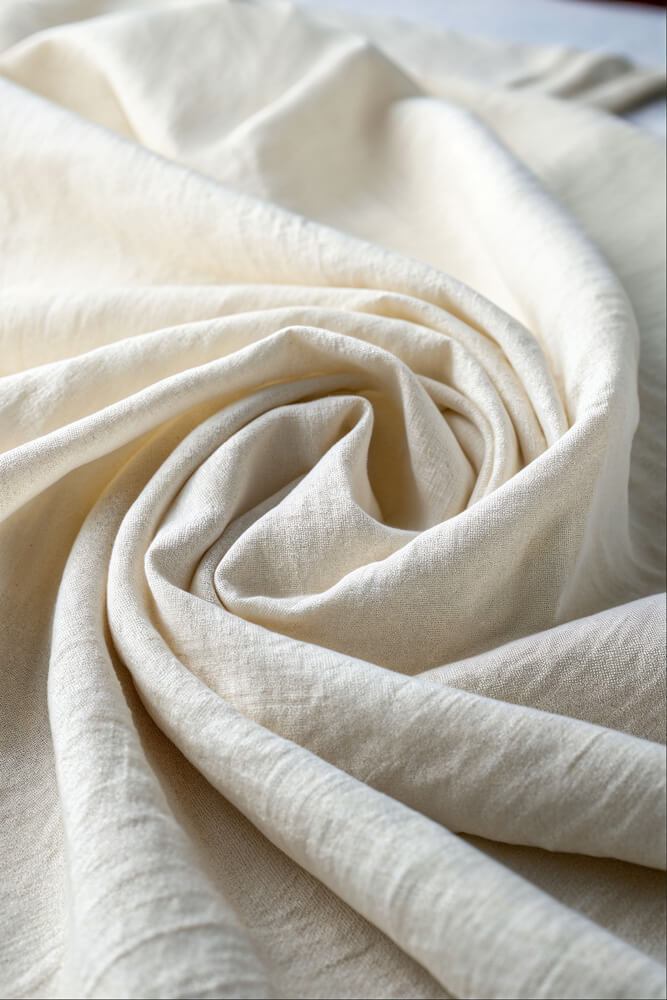
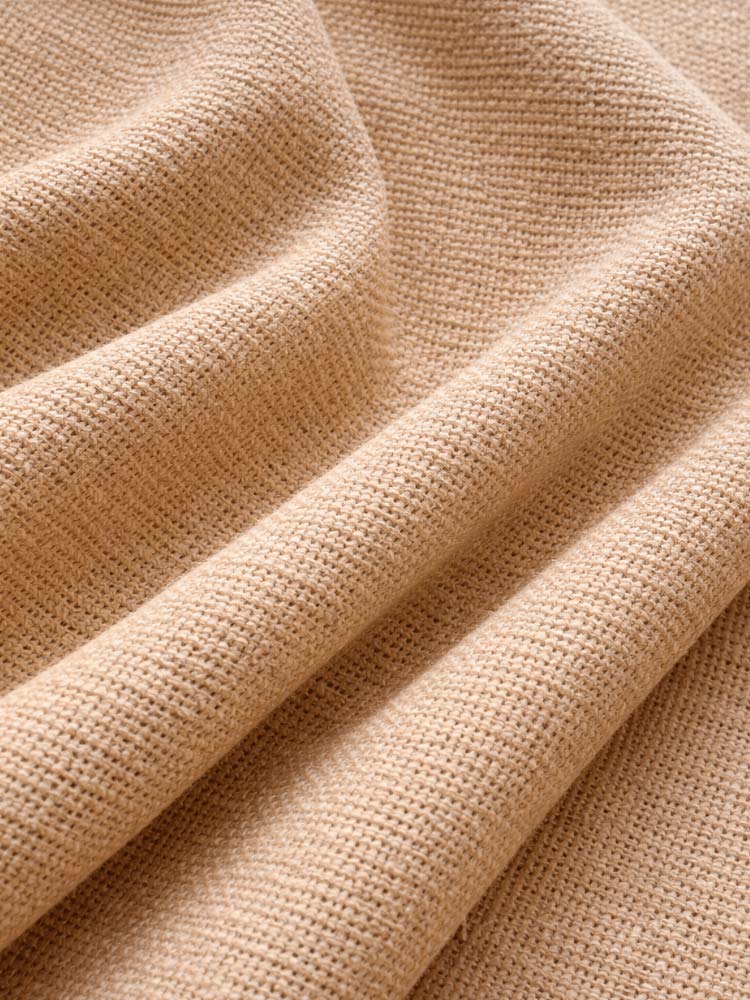
- Soft, slightly matte
- Natural cotton feel
- More authentic, organic look
- Slight neps and slubs (adds character)
Handfeel
- Comfortable, breathable, skin-friendly
- Similar to virgin cotton when blended well
Performance Features
Breathability
- Excellent airflow
- Perfect for summer and trans-season wear
Moisture Absorption
- Naturally absorbent
- Wicks sweat
- Comfortable in humid climates
Hypoallergenic
- Gentle on skin
- Suitable for sensitive skin
Lightweight
- Depending on blend, can be very lightweight and soft
Durability
- Depends on blend %
- Pure RC can be weaker, but blends retain durability of virgin cotton
Environmental & Sustainability Attributes
Circularity
- Converts textile waste into new fibre
- Reduces landfill burden
- Promotes circular economy
- Zero waste production at mill level
Water Savings
- Saves up to 7,000–10,000 litres of water per kg compared to virgin cotton
- Almost no irrigation required
- Dye savings if using pre-colored waste
Reduced Chemical Use
- No pesticides or fertilizers
- No new farming required
- Less dye usage if using colour-sorted scraps
Low Carbon Footprint
- Eliminates farming emissions
- Lower overall energy footprint
- Significant reduction in environmental impact
Fibre Cycling
- Recycled multiple times depending on fibre length
- Extends life of cotton fibre significantly
Zero Microplastic Pollution
- Pure RC = no microplastics
- Safe for soil and water systems
Waste Diversion
- Conservatively, 1 T-shirt = ~200g of waste saved from landfill
Fabric Characteristics
Appearance
- Slightly heathered
- Soft, natural tones
- Matte finish
- Slubs add a handcrafted, sustainable aesthetic
Drape
- Depends on blend
- Pure RC: structured
- RC + Tencel: fluid
- RC + organic cotton: balanced
Dyeing
Dyeability
- Works well with:
- Reactive dyes
- Azo-free dyes
- Pigment dyes
- Pre-colored recycled cotton may not need dyeing at all
Compostability & End-of-Life
- If 100% recycled cotton:
- Home compostable: 3–6 months
- Industrial compost: 2–4 weeks
- Breaks down into natural cellulose
- No toxins
- No microplastics