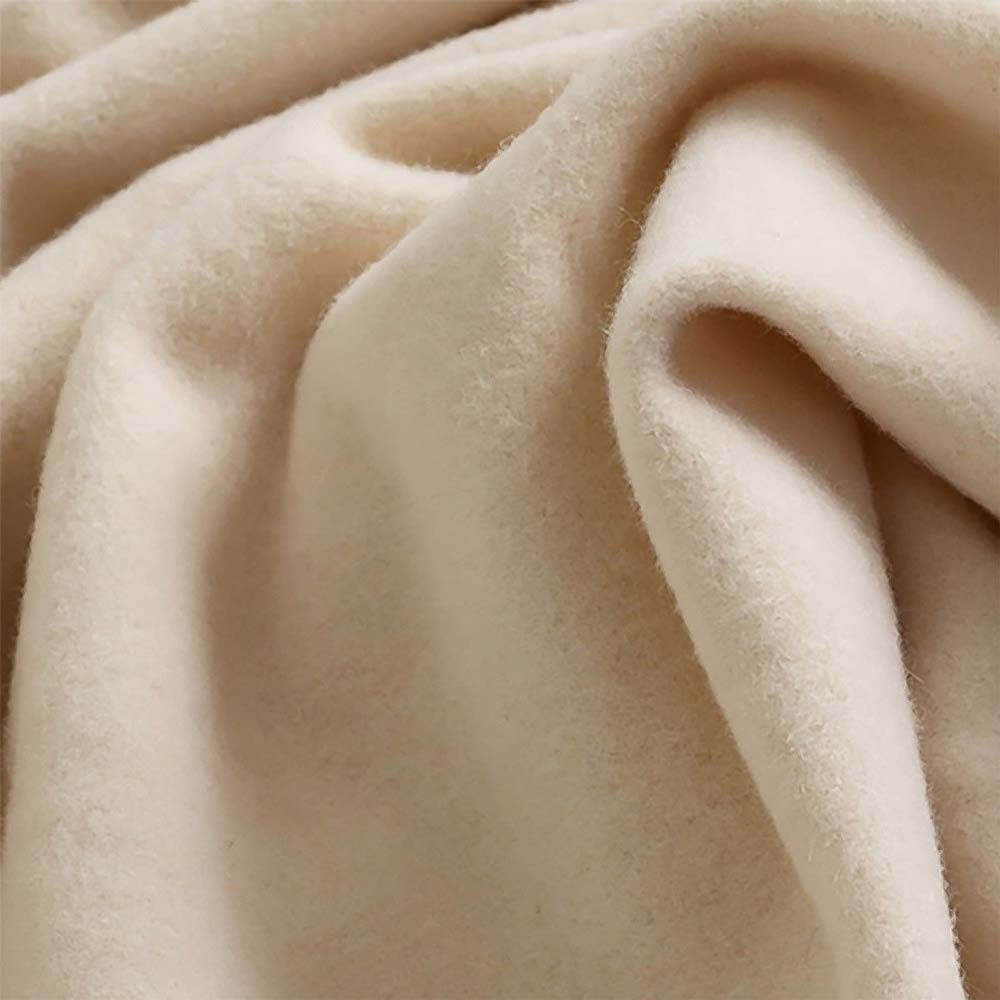
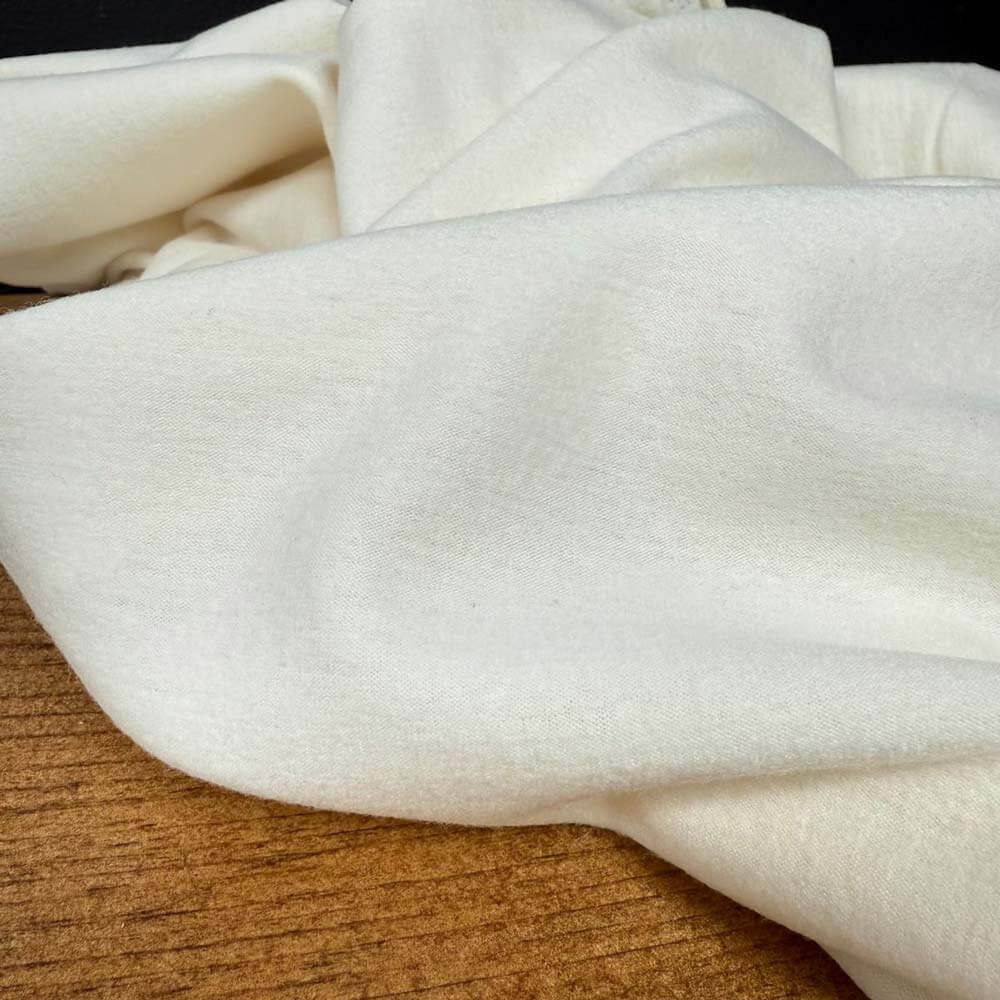
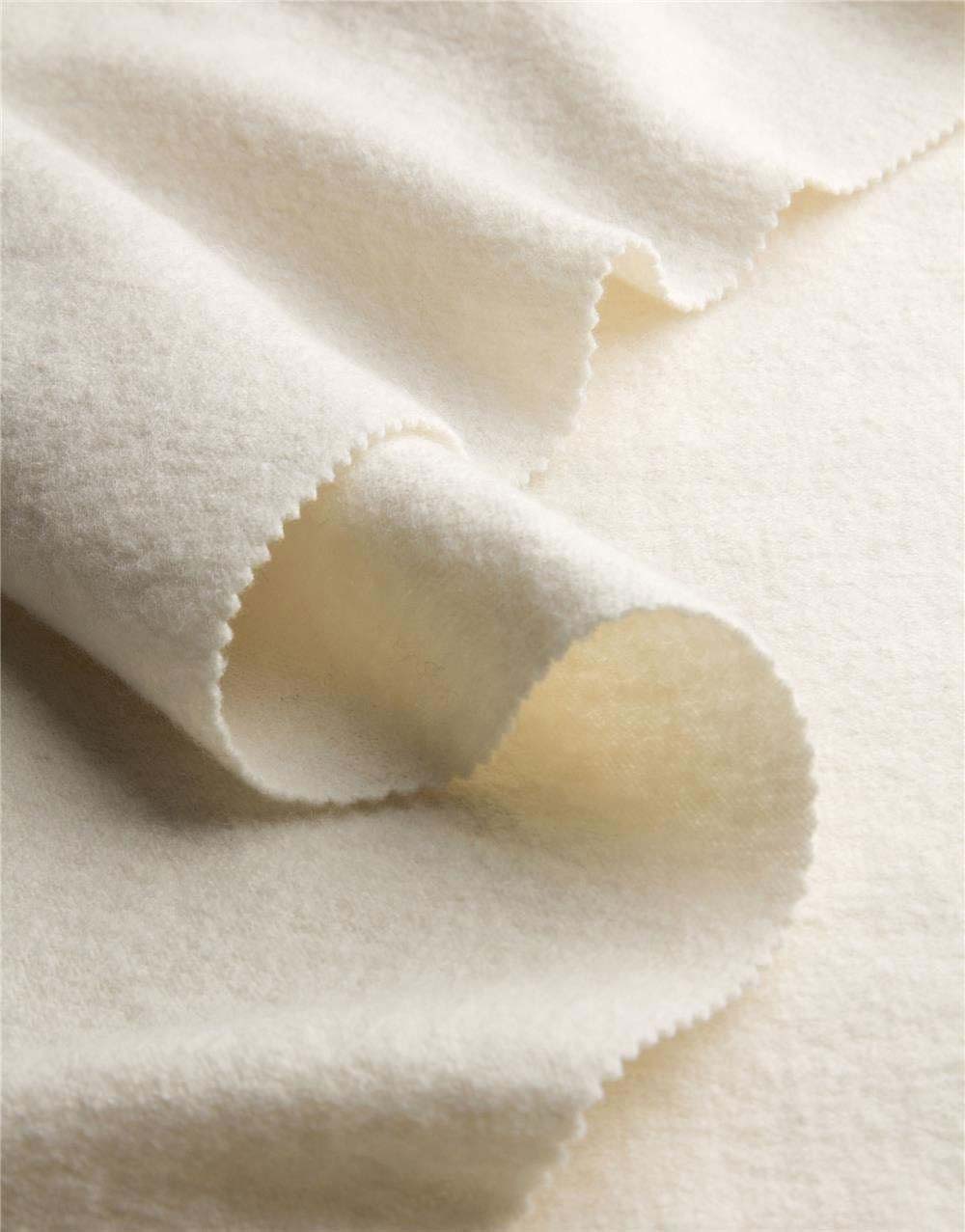
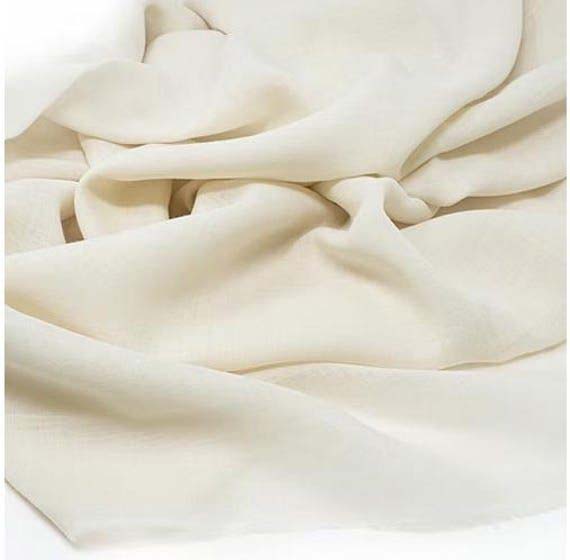
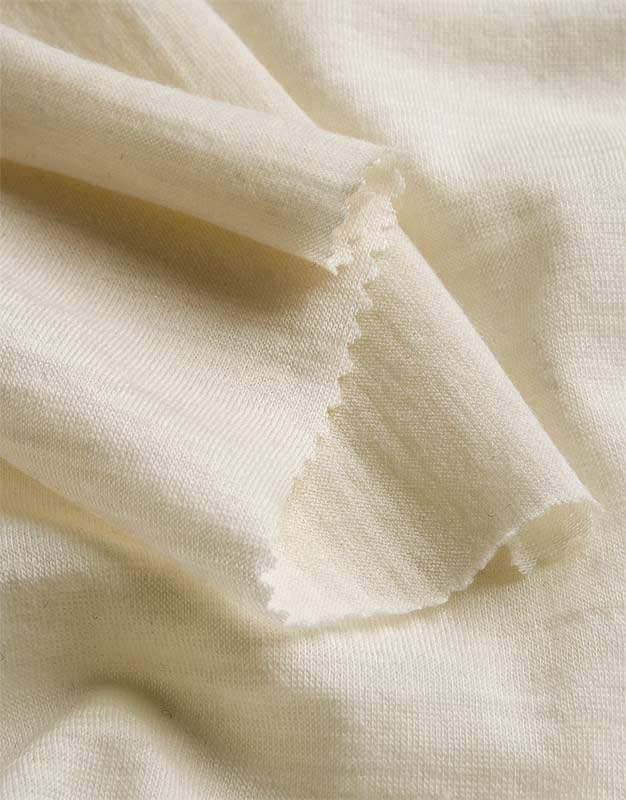
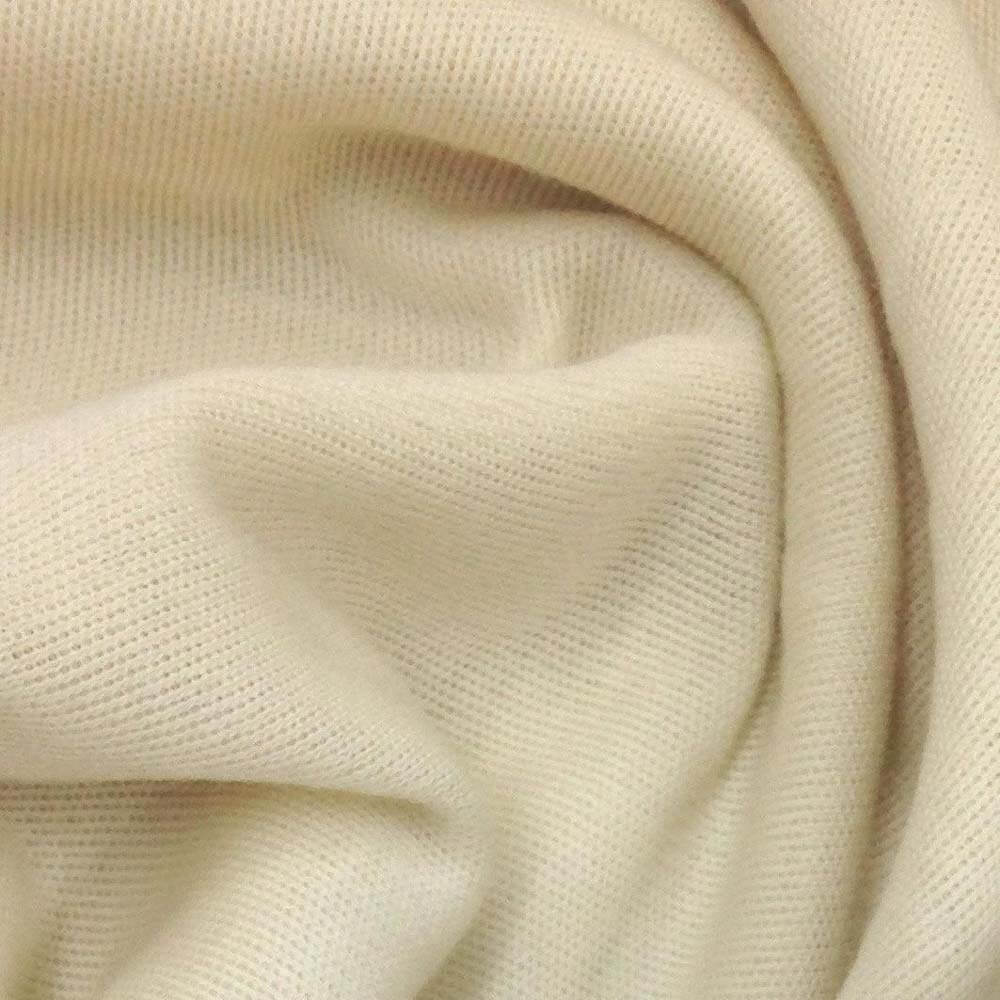
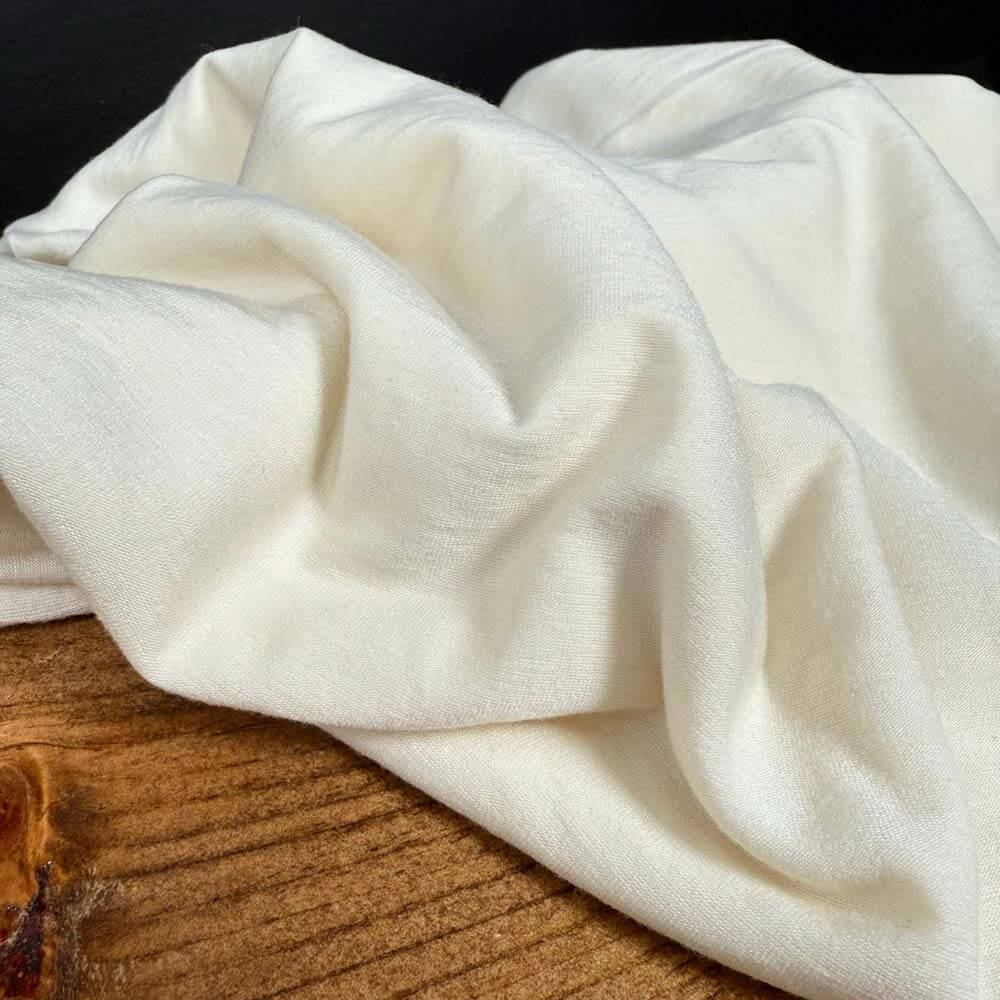
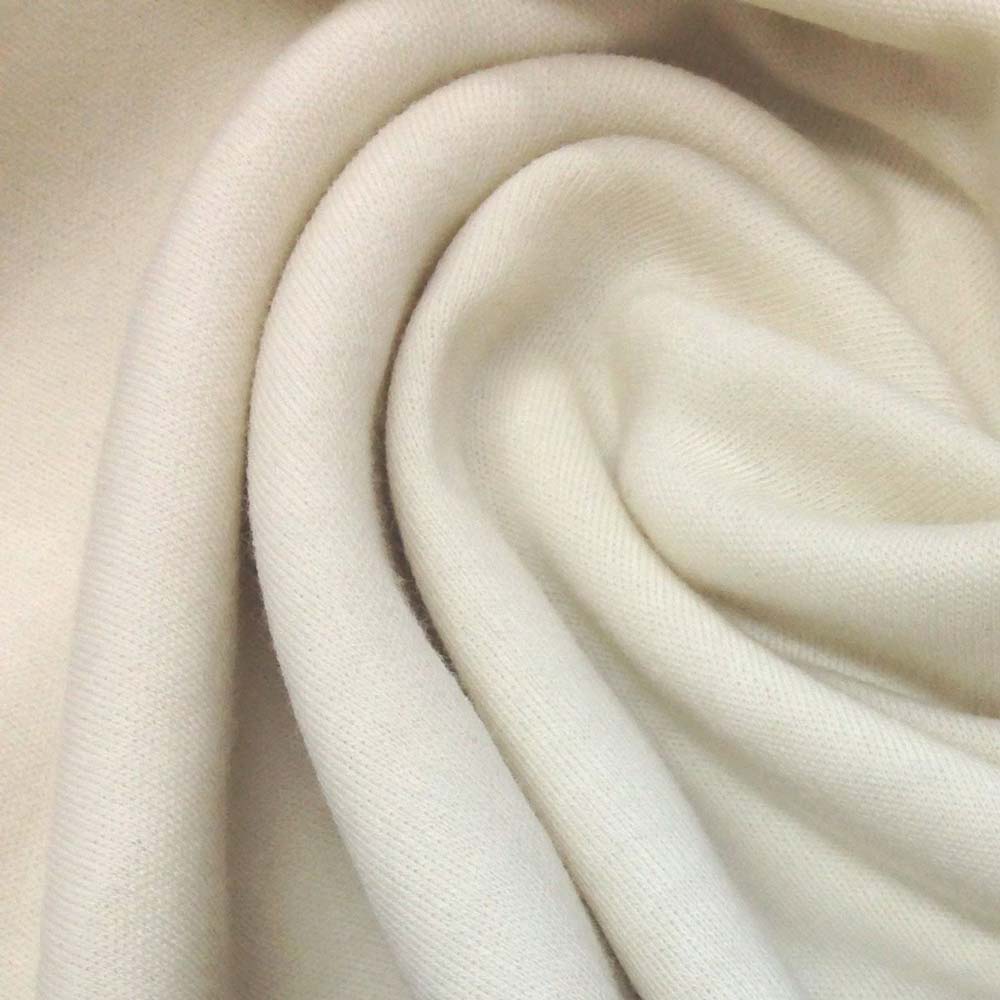
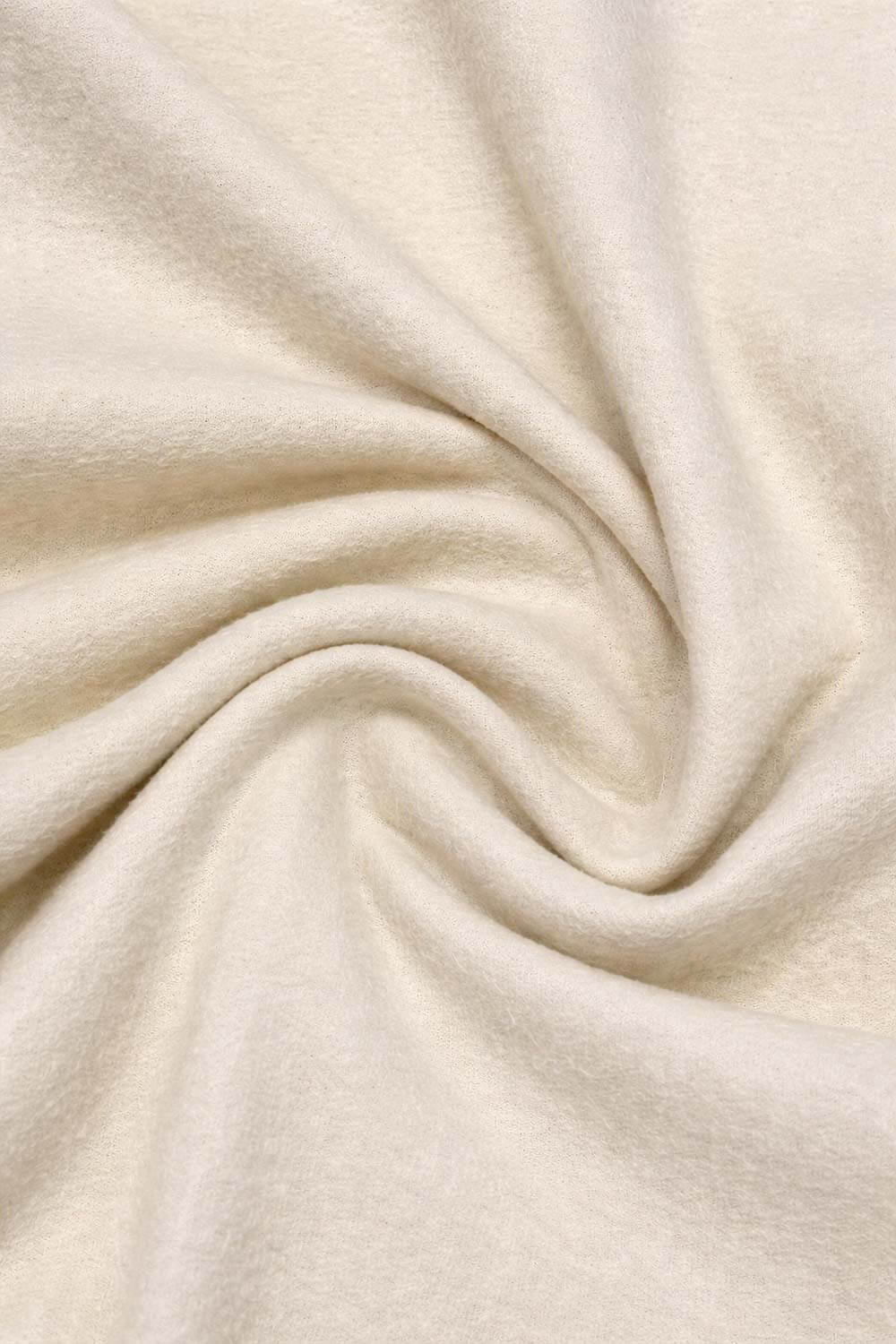
Merino wool comes from the Merino sheep, originally from Spain and now widely raised in Australia, New Zealand, and South Africa.
It is one of the finest, softest, and highest-performance natural fibres in the world, known for thermo-regulation, odor resistance, and luxurious comfort.
Merino is valued in both:
- Luxury fashion, and
- High-performance activewear
Key Fibre Properties
Fibre Diameter
- Ultra-fine:
- 11.5–24 microns (Merino)
- Compared to 30–40 microns for regular wool
- Finer = softer, non-itchy, premium feel
Fibre Structure
- Natural crimp → elasticity + insulation
- Keratin protein structure
- Cortex + cuticle layers trap air
Strength
- Strong in both dry and wet conditions
- Naturally wrinkle-resistant
- Elastic and durable
Surface Feel
- Extremely soft
- Next-to-skin comfort
- Smooth, luxurious handfeel
Performance Features
Thermoregulation
- Keeps warm in cold weather
- Keeps cool in hot weather
- One of the best natural temperature-regulating fibres
- Ideal for European spring/summer layering
Moisture Management
- Absorbs up to 30% of its weight in moisture
- Wicks sweat away from skin
- Releases moisture to the air quickly
- Stays dry and comfortable
Antimicrobial & Odor Resistant
- Natural keratin structure does not support bacteria
- Prevents smell even after days of wear
- Popular in travel and performance apparel
Fire Resistance
- Flame-resistant
- Does not melt or drip
- Safe for children’s clothing
Breathability
- Highly breathable due to natural fibre crimp
- Ideal for layering, workwear, and athleisure
Lightweight & Stretchy
- Natural elasticity
- Retains shape well
- Perfect for fitted or elevated silhouettes
Environmental & Sustainability Attributes
Renewable Fibre
- Grows naturally on sheep every year
- 100% renewable and regenerative
100% Biodegradable
- Home compost: 6–24 months (protein fibre)
- Breaks down into nitrogen-rich soil
- Industrial composting accelerates the process to 8–12 weeks
Responsible Farming
When sourced under standards:
- No mulesing
- Ethical treatment of animals
- Biodiversity and soil protection
- Chemical-free pasture management
Low Energy Use
- Fibre production is animal-based, not industrial
- Lower carbon footprint vs synthetics extending over product lifetime
Long Garment Life
- Highly durable
- Long-lasting quality
- Lower impact through extended lifespan
No Microplastic Pollution
- Zero synthetic shedding
- Breaks down fully in soil/water over time
Fabric Characteristics
Texture & Appearance
- Smooth
- Soft
- Luxurious
- Fine drape
- Knit and woven options both available
Drape
- Fluid, supple
- Premium look for luxury apparel
Handfeel
- Soft against skin
- No prickliness due to low micron count
Dyeing
Dyeability
- Excellent affinity to:
- Acid dyes
- Low-impact dyes
- Takes rich, deep colours
- UV-resistant more than cotton
Compostability & End-of-Life
- Protein-based fibre → fully biodegradable
- Breaks down into nitrogen-rich fertilizer
- No toxic residues
- Safe for soil, plants, and water systems
- Best composting when cut into small pieces